

Understanding Casinos: What They Are Not
Casinos have long been shrouded in glamour, excitement, and a touch of mystery. But as popular as these establishments are, there are many misconceptions and myths surrounding what casinos truly are and what they are not. While they may be synonymous with high-stakes gambling and luxurious experiences, it is essential to delve deeper into their operations to clarify these misconceptions. Moreover, it is vital to understand the role of organizations like what casinos are not on GamStop The British Trust in ensuring responsible gaming and ethical practices within the industry.
To begin with, one common misconception is that every casino operates in the same manner. The reality is much more nuanced. Casinos can vary widely in terms of their offerings, target markets, and regulatory environments. While many are focused on traditional table games and slot machines, others invest heavily in entertainment and hospitality, offering a wide range of options such as dining and live performances. This diversity in focus can lead to different operational strategies that do not always revolve solely around gambling.
Another myth is that all casinos are created equal when it comes to their legality. Depending on the jurisdiction, the legality of casinos can vary immensely. In some countries, casinos operate without any legal oversight, while in others, they are subject to strict regulations designed to ensure fair play and protect consumers. Understanding the legal framework is essential for anyone considering a visit to a casino, as this can significantly impact their gambling experience.
Furthermore, not all casinos prioritize customer experience. Some may focus more on maximizing profits, which can lead to less-than-ideal experiences for their patrons. The best casinos recognize the importance of customer satisfaction and, as a result, invest in providing excellent service, maintaining a friendly atmosphere, and offering fair odds. It’s crucial to research and identify those establishments that prioritize their guests’ enjoyment over sheer profit maximization.
Contrary to popular belief, casinos are not merely dens of vice or environments fostering addiction. While gambling, like many forms of entertainment, carries inherent risks, many casinos actively promote responsible gaming initiatives. These include providing resources for individuals who may be struggling with gambling-related issues and promoting a safe environment for patrons. Reputable casinos focus on responsible practices to protect their guests and enhance their overall experience, thereby contradicting the narrative that all casinos facilitate reckless behaviors.
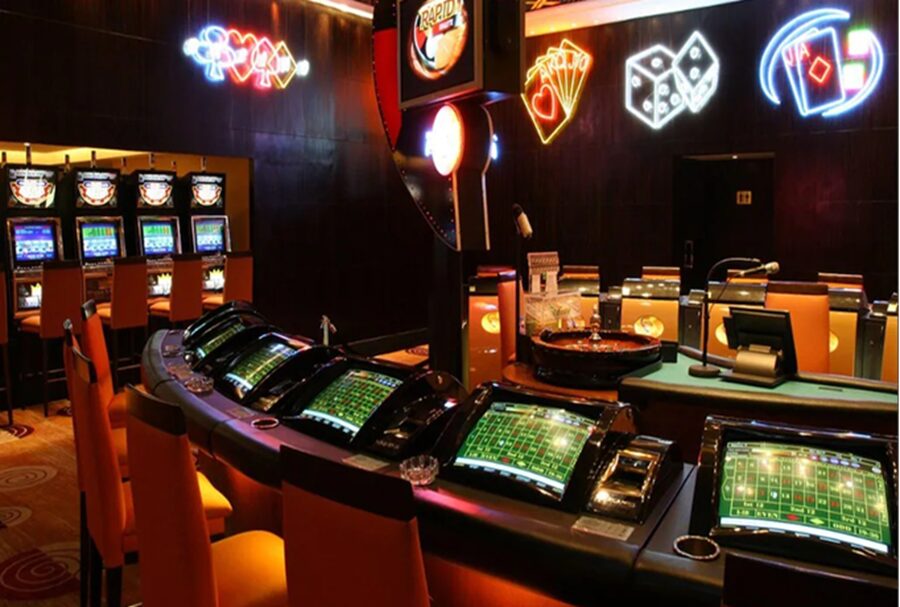
One aspect that is often overlooked is that casinos are not just about gambling; they are also entertainment hubs. Many modern casinos have incorporated luxurious hotels, fine dining establishments, and various forms of entertainment such as music concerts, shows, and events. This focus on entertainment broadens their appeal and allows them to attract a more diverse clientele beyond just gamblers. It shows that casinos are not limited to traditional gaming; rather, they encompass a wide range of leisure activities that appeal to many individuals.
Moreover, it is essential to note that not all individuals who visit casinos are there to gamble. Many people visit casinos to experience the ambiance, enjoy the dining options, or participate in non-gambling events. This shift in perception highlights that casinos are not merely places for gambling but can serve as social venues that foster community engagement and offer varied experiences.
Additionally, casinos are not immune to the effects of technological advancements. In recent years, many casinos have integrated technology into their operations, enhancing the experience for visitors. From mobile apps that allow for cashless transactions to virtual reality experiences, technology is reshaping the casino landscape. However, this integration raises questions about traditional gaming roles, the vulnerability of personal data, and the potential for increased addiction patterns, thereby complicating the image of modern casinos.
As the industry evolves, it also faces challenges that it may not have dealt with in prior decades. Issues such as online gambling, fluctuating regulations, and changing consumer preferences are reshaping the casino experience. Online casinos, in particular, have posed significant competition to traditional brick-and-mortar establishments, leading to the conclusion that casinos are not an infallible industry but one in flux, continuously adapting to new trends and regulations.

Lastly, it is vital to highlight that casinos are not just localized entities. The global nature of the casino industry reflects a diverse range of markets and cultures, which introduce various practices and ethical considerations. From Las Vegas to Macao, each casino reflects its cultural context, creating unique experiences that may or may not align with the traditional view of what a casino should be. This global perspective emphasizes that the essence of casinos cannot be boxed into a single definition or experience.
In conclusion, understanding what casinos are not is as important as knowing what they are. The myths surrounding these establishments often shape our perceptions and experiences, potentially influencing our choices when considering a visit. By recognizing the variations in operations, legality, focus on customer experience, dedication to responsible gaming, diversification of entertainment offerings, and challenges posed by technological advancements, we can appreciate the intricate landscape that defines modern casinos. As we continue to engage with this fascinating industry, it is imperative to distinguish legends from reality, ensuring that our experiences are informed, enjoyable, and responsible.