

Frequently Asked Questions About the Sao Tome Passport
If you’re considering obtaining a passport from Sao Tome and Principe, you likely have numerous questions about the process and the benefits that come with it. This Sao Tome Passport FAQ is designed to clarify common inquiries and provide you with all the necessary details.
1. What is the Sao Tome Passport?
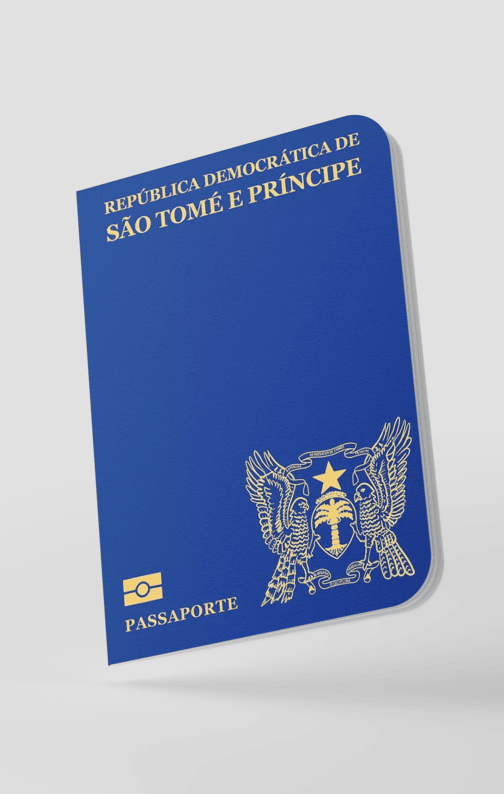
The Sao Tome Passport is the official travel document issued by the government of Sao Tome and Principe to its citizens. It serves as proof of identity and nationality and allows for international travel. The passport also comes with certain privileges and benefits for its holders.
2. How can I apply for a Sao Tome Passport?
To apply for a Sao Tome Passport, you must follow these steps:
- Gather necessary documents, including proof of identity, birth certificate, and residence permit if applicable.
- Fill out the passport application form, which can typically be found online or at the passport office.
- Submit your application along with the required documents and payment for the processing fee.
It’s recommended to visit the official government website or local consulate for specific application procedures and requirements.
3. What are the benefits of having a Sao Tome Passport?
Holding a Sao Tome Passport offers several advantages:
- Visa-free or visa-on-arrival access to multiple countries, particularly in Africa and some parts of the Caribbean.
- Access to consular services abroad, which can assist in emergencies.
- The ability to live, work, and study in Sao Tome and Principe, enjoying the rights of a citizen.
4. How long is the Sao Tome Passport valid?
The validity of a Sao Tome Passport typically varies depending on the age of the applicant at the time of issuance. Generally, adult passports are valid for ten years, while those issued to minors are valid for a shorter duration, usually five years.
5. What is the processing time for a Sao Tome Passport?
The processing time can vary significantly based on factors such as demand and the completeness of your application. Generally, you can expect processing to take anywhere from two to six weeks, but it’s advisable to apply well in advance of any planned travel.
6. Can I renew my Sao Tome Passport?
Yes, you can renew your Sao Tome Passport. The renewal process is quite similar to the initial application, but you will need to submit your current passport along with the renewal application form and required documents. It’s important to check the specific procedures as they may change over time.
7. What should I do if my Sao Tome Passport is lost or stolen?
If your passport is lost or stolen, you must report it to the nearest Sao Tome consulate or embassy as soon as possible. You will typically need to fill out a declaration of loss and provide identification and other supporting documents to apply for a replacement.
8. Are there restrictions or obligations for Sao Tome Passport holders?
As a Sao Tome Passport holder, there are responsibilities such as obeying the laws of both Sao Tome and other countries you visit. You may also face restrictions traveling to certain countries depending on current international relations. It’s wise to keep updated on travel advisories.
9. What international organizations is Sao Tome and Principe a member of?
Sao Tome and Principe is a member of several international organizations including the United Nations, the African Union, and the Economic Community of Central African States (ECCAS). Membership in these organizations can aid in diplomatic relations and provide support for citizens abroad.
10. How can I get assistance while traveling with a Sao Tome Passport?
If you require assistance while traveling, you can contact the nearest Sao Tome embassy or consulate for help. They provide a range of services, including help in emergencies, assistance with lost passports, and legal aid. Ensure you have their contact information prior to traveling.
Final Thoughts
Obtaining a Sao Tome Passport opens up numerous opportunities for travel and personal growth. Whether you are looking to explore new countries or connect with family roots, understanding the ins and

outs of the application process, benefits, and responsibilities is crucial. Always refer to official government resources or consulates for the most accurate and updated information.