
If you or someone you love require treatment for alcohol abuse or addiction, you are not alone. Contact the intake team at Archstone Behavioral Health to learn more about our programs. The other type of blackout is an “en bloc” black out, in which the person has complete amnesia of an entire, hours-long time period. These memories often cannot be recovered later, and it will feel like the events that transpired during that time never happened. drug addiction treatment Co-occurring treatment includes a team of professionals who focus on every aspect of your life that may lead to relapse so you have the best chance for complete recovery. An integrative team approach includes family and loved ones who love you, are affected by your AUD and PTSD, and want to help you succeed in recovery.
Recognizing Early Warning Signs of Problematic Drinking
- Hierarchical linear regression was used to model symptoms of depression (PHQ2 total score) and PTSD (PCL4 total score) as concurrent “consequences” of blackout.
- Exclusion criteria included being under the age of 18, possibility of pregnancy, use of prescribed medication that may interact with alcohol (excluding the contraceptive pill), or previous substance abuse problems.
- The interplay between PTSD and memory is multifaceted and often perplexing.
- One common type is dissociative amnesia, which involves the inability to recall important personal information, often related to traumatic events.
- Although our subsample size of 70 examining mediation in men was small for many analyses, this was well over the suggested minimum of 25 for bootstrapping mediation (Preacher & Hayes, 2004).
Our primary focus is to address both the psychological aspects of PTSD and the physical dependencies of alcohol misuse. While PTSD and alcohol use disorder appear to be complex issues, effective treatment models help patients https://ecosoberhouse.com/ recover successfully. At the Perry Clayman Project (PCP), we offer comprehensive residential treatment programmes that provide medical alcohol detox, which is crucial for managing withdrawal symptoms.
Duration and Frequency of PTSD Blackouts
Being separated from family, leaving work, financial problems, and many other stressors, whether real or perceived, can make it easier to use alcohol as a coping mechanism for PTSD. In addition, service men and women may fear that having PTSD symptoms will lead to their removal from the military. Among veterans, 63% of those first diagnosed with alcoholism also met the criteria for PTSD, and 76% of those first diagnosed with PTSD also met the criteria for alcohol use disorder. If you or a loved one is struggling with alcohol addiction, don’t wait to seek help.
The Link Between PTSD and Alcohol Misuse
By retraining your brain to embrace positive actions during these times, you pave the way for healthier habits. One of the most crucial aspects of this journey is to eliminate any sense of shame. We know that this can be difficult, especially if you have thought negatively about your drinking for a long time, but it is an important step.
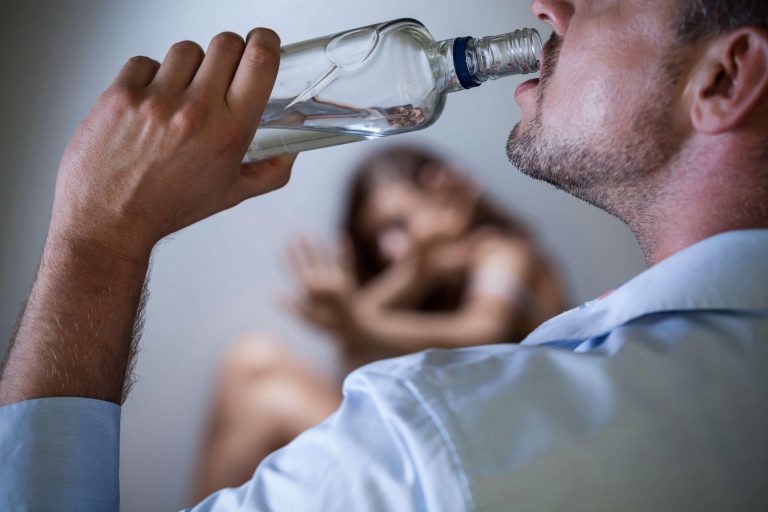
The most common type is called a “fragmentary blackout” and is characterized by spotty memories for events, with “islands” of memories separated by missing periods of time in between. For individuals with PTSD, these blackouts may occur during times of extreme stress or anxiety. While not everyone with PTSD will experience blackouts, for those who do, it can present significant challenges. For instance, mental blackouts can sometimes be a symptom of more complex conditions.
The AUDIT has been validated as a measure of problematic alcohol consumption in multiple countries (Saunders et al., 1993) and among young adults in college (Kokotailo et al., 2004). Participants responded to the item, “How often during the last year/month have you ptsd alcohol blackout been unable to remember what happened the night before because you had been drinking? ” Response options were never (0), less than monthly (1), monthly (2), weekly (3), and daily or almost daily (4).
Participants were provided with standard drink definitions (e.g., 12oz beer) and asked to report how many drinks they consumed on each day of a typical week in the past month using a seven-day grid. Responses were summed to estimate the number of drinks consumed in a typical week. For those looking for dual diagnosis treatment centers in Washington state, Discover Recovery provides premier care for individuals facing PTSD and substance use challenges. With locations in Camas and Long Beach, WA, we offer a range of programs, including detox, residential treatment, and transitional housing, to support long-term recovery. If you or someone you know is struggling with alcohol dependency, remember that help is available. No Matter What Recovery offers comprehensive treatment programs tailored to meet individual needs.
We also prioritize individualized care, and understand that the needs, goals, and approach required for each person to be successful in their recovery is unique. Our facilities are customized in every way, down to the best location and amenities, and addiction resources for you to immerse yourself in treatment and focus exclusively on your healing. Typically when we feel lower and more manageable levels of fear, we want to shut down, physically hide and cover ourselves at times to feel a sense of comfort, even break down emotionally from the intense and overwhelming feelings. Our brain’s instinct understands that we can’t do that when we are in immediate danger so it pumps us full of chemicals and hormones that keep us going, and these levels remain elevated for hours, sometimes days.
Effective Treatment Approaches For Co-Occurring Disorders: PTSD and Alcohol Addiction
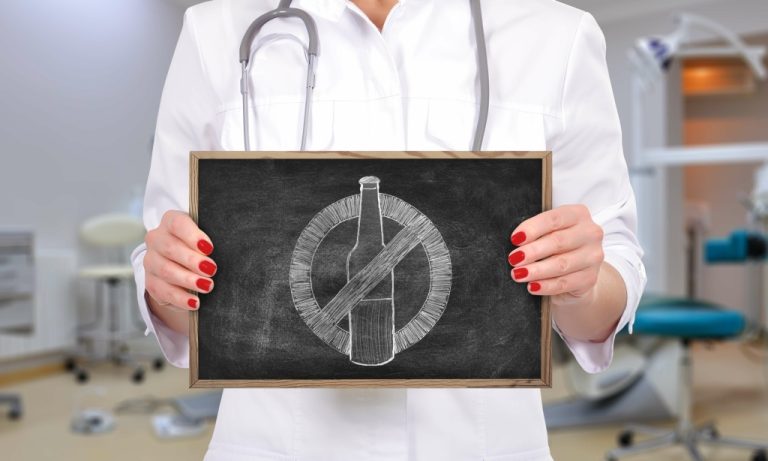
For example, you could remember certain parts of conversations, places you went to, and things you did, but you may not be completely clear about the entirety of the events. Prevention starts with conscious decision-making about alcohol consumption. Eating substantial meals before drinking and pacing yourself with one drink per hour can significantly reduce blackout risk. Staying hydrated by alternating alcoholic drinks with water also helps prevent dangerous levels of intoxication. Fragmentary blackouts, often called brownouts, occur when an individual experiences gaps in their memory during drinking periods.
Although men have a higher prevalence of AUD than women, and women have a higher prevalence of PTSD than men, any individual with either disorder is more likely to have the other. Importantly, analyses can be conducted on the risk for the exposure to an event among the entire population, and then among those who experienced an event. Social determinants of health for the diagnoses may vary considerably based on likelihood of being exposed to an event or exposure to a substance. Conversely, risk for who later develops a diagnosis, given exposure, may be different as well. For this reason, it is important to evaluate both risk for exposure as well as risk for a disorder among those exposed.
- Create a plan for this transition, which might include a soothing shower or bath, reading a book, and trying wellness practices like breathing techniques or meditation.
- They might be related to acute mental status changes, which can signal serious underlying health issues.
- Long-term management and monitoring are crucial for keeping mental blackouts at bay.
- Thus, experiences of discrimination may be a unique risk factor for alcohol-related problems such as blackout in racially diverse samples.
- These surveys include the Epidemiological Catchment Area (ECA) program, the National Comorbidity Survey (NCS), and the National Epidemiologic Survey on Alcohol and Related Conditions (NESARC).
Use of alcohol/other drugs to cope with stress was measured using the alcohol/drug use coping items from the Brief COPE (Carver, 1997). This measure has been used in previous studies of military/Veteran coping (Romero et al., 2020), and the substance use subscale demonstrated strong internal consistency in this sample (α ≥.85). It is possible for PTSD to be successfully treated many years after the traumatic event occurred, which means it is never too late to seek help. Equally, going through trauma can lead to an alcohol use disorder, whether or not you develop PTSD. But if you or someone you know has PTSD, an alcohol usage disorder or both, it’s important to get support. This is followed up by tailored rehab services and evidence-based therapies like CBT to ensure integrated treatment for co-occurring disorders like PTSD.