Uncovering the truth behind common gambling myths and misconceptions
Understanding the Basics of Gambling Myths
The world of gambling is filled with numerous myths and misconceptions that can mislead players. One of the most prevalent myths is the idea that certain games are «better» than others in terms of odds. For example, many believe that slot machines are rigged to favor the house, while table games like blackjack or poker offer better chances. In reality, every game has its own set of odds, and understanding these can help players make more informed decisions. Additionally, the excitement of the ice fishing live casino brings an innovative twist to traditional gaming.
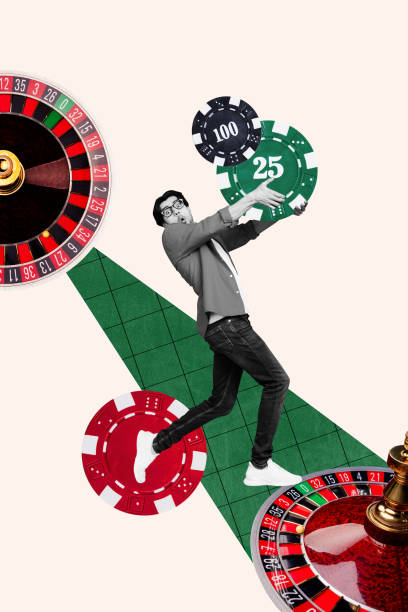
Another common misconception is that gambling is purely a game of chance, ignoring the skill aspect present in many games. While luck plays a significant role, especially in games like slots, skill-based games such as poker require a deep understanding of strategy and psychology. This blend of chance and skill is what makes gambling both exciting and complex.
Debunking Myths Around Winning Strategies
Many gamblers believe in the existence of «foolproof» winning strategies that guarantee success. This belief often stems from anecdotal stories or misleading testimonials that suggest some individuals have found a secret formula to beat the odds. However, the reality is that there are no guaranteed strategies that can consistently win in games that have a house edge. Knowledge and strategy can improve odds but cannot eliminate risk.
Furthermore, some players think they can predict outcomes based on previous results. This is known as the gambler’s fallacy, where one assumes that past events influence future outcomes in random games. For instance, if a roulette wheel lands on red multiple times, a player might think black is «due.» This misconception fails to recognize that each spin is independent, and probabilities remain constant.
The Role of Odds and House Edge
Understanding odds and the house edge is crucial in navigating the world of gambling. The house edge is the advantage that the casino has over players, expressed as a percentage. This means that, on average, the casino will win a certain percentage of every bet made over time. Many gamblers underestimate this figure, believing they have a better chance of winning than they actually do.
Furthermore, players often confuse the idea of odds with luck. While some games, like sports betting, may offer better odds based on statistical analysis, it does not guarantee victory. Players must approach each bet with a clear understanding of the risks involved and accept that losses are a part of the process.
Psychological Factors in Gambling Myths
The psychology behind gambling is another area rife with misconceptions. Many players fall into the trap of chasing losses, believing that they can recover lost money through continued play. This mindset can lead to a dangerous cycle of gambling, where the desire to win overrides rational decision-making. Understanding the psychological aspects of gambling can help players maintain control and avoid destructive patterns.
Additionally, the belief that certain rituals or superstitions can influence outcomes is prevalent in gambling culture. Whether it’s wearing a lucky shirt or performing a specific action before a bet, these practices stem from the human need to find meaning and control in uncertain situations. Recognizing that these rituals do not affect the outcome can help players focus on strategy and informed decision-making.

Exploring Resources for Responsible Gambling
For those looking to explore the world of gambling safely, there are numerous resources available. Many websites offer guidance on responsible gambling practices, emphasizing the importance of setting limits and recognizing signs of addiction. Understanding these aspects is vital for maintaining a healthy relationship with gambling, ensuring it remains an enjoyable pastime rather than a harmful obsession.
Moreover, reputable casinos and gaming platforms provide tools for players to monitor their gambling habits. Features like deposit limits and self-exclusion options can empower individuals to make smart choices, reinforcing the idea that responsible gambling is achievable. For anyone interested in learning more about gambling myths and promoting healthy habits, these resources are invaluable.