
The psychological impact of gambling Unraveling the mind’s hidden stakes PinUp
The Allure of Gambling
Gambling has fascinated humanity for centuries, with its enticing combination of risk and reward. The thrill of wagering money on uncertain outcomes captivates many, driven by the hope of hitting a jackpot or experiencing an unexpected win. This allure is psychologically profound, as it engages various aspects of our emotions, from excitement and anticipation to fear and anxiety. The momentary euphoria of winning can create a dopamine rush, reinforcing the behavior and often leading to repeated attempts at similar pleasures. Seasonal promotions, such as those often highlighted on platforms like https://groups.google.com/g/pin-up-africa/c/D_PS606IsB0, can enhance this gaming experience, allowing players to maximize their budget.
The psychological mechanism behind gambling stems from the brain’s reward system, which is activated during moments of risk. When players make bets, their brains release dopamine, creating feelings of happiness and satisfaction. This effect is similar to the high experienced by individuals addicted to substances, suggesting that gambling can evoke similar compulsive behaviors. As individuals chase these fleeting moments of joy, they may find themselves increasingly drawn into the gambling world, often unaware of the potential risks. Insights into platforms like PinUp Africa can provide more context about these behaviors.
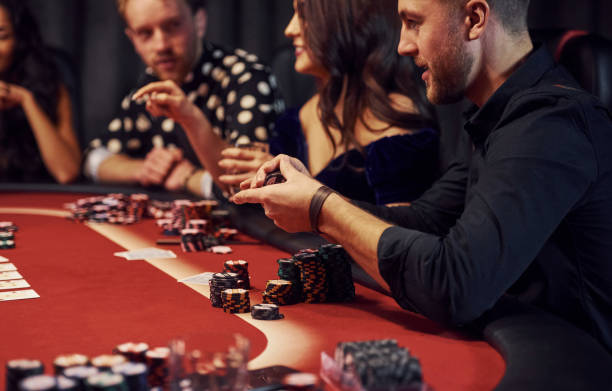
Moreover, the environment of casinos, such as vibrant lights, sounds, and the presence of other players, enhances this psychological impact. This sensory overload creates an immersive experience, distracting individuals from the reality of their financial stakes. As players become enveloped in the atmosphere, they can easily lose track of time and money, further deepening their connection to the game and increasing the likelihood of developing problematic gambling behaviors.
The Consequences of Problem Gambling
While gambling can be a thrilling pastime, it also comes with significant psychological risks. Problem gambling, characterized by an uncontrollable urge to gamble, can lead to severe emotional distress and negative consequences in various aspects of life. Individuals may experience increased anxiety, depression, and feelings of guilt or shame as they realize the adverse impact of their gambling habits. This emotional turmoil can create a vicious cycle, where the desire to escape these feelings further fuels the need to gamble.
Additionally, problem gambling can strain relationships with family and friends. As individuals prioritize gambling over personal connections, trust may erode, leading to isolation. The emotional fallout often extends to loved ones, who may grapple with the consequences of financial instability and emotional distress caused by the gambler’s actions. This dynamic can lead to a breakdown of support systems, leaving the individual feeling more alone and desperate.
Financial consequences are also significant and can create a broader impact on mental health. The stress of financial loss often leads to heightened anxiety levels, which may manifest in unhealthy coping mechanisms, including substance abuse. As individuals struggle to regain control over their finances, the pressure can become overwhelming, further exacerbating mental health issues and leading to a downward spiral that is difficult to escape.
The Role of Celebrity Influence in Gambling
The influence of celebrities on gambling is increasingly apparent in modern society, where famous personalities often endorse or participate in gambling activities. This phenomenon can have profound psychological effects, especially among fans who idolize these figures. When celebrities promote casinos or gambling platforms, they contribute to the normalization of gambling as an entertaining and glamorous activity. This portrayal can mislead individuals about the realities of gambling, enticing them to participate without fully understanding the potential risks involved.
The power of celebrity endorsement lies in its ability to shape perceptions. Fans are often drawn to the glamorous lifestyles of celebrities, which may include high-stakes gambling as a form of entertainment. As these stars share their experiences through social media or appearances, they create an aspirational narrative that can overshadow the darker aspects of gambling addiction. This portrayal can lead to an underestimation of the psychological consequences of gambling, particularly among younger audiences.
Additionally, the rise of online gambling platforms has facilitated the integration of celebrity culture into the gambling experience. Many sites feature celebrity-themed games or events, further blurring the lines between entertainment and gambling. This blend creates an environment where gambling feels more like a game of chance than a serious financial decision, potentially luring more individuals into developing unhealthy gambling habits, especially when they associate it with fame and fortune.
Understanding Gambling Addiction
Gambling addiction is a complex psychological disorder that often goes unrecognized until significant damage has been done. Individuals struggling with this addiction may find themselves rationalizing their behavior, believing they can control their impulses or eventually win back losses. This distorted thinking is a hallmark of addiction, blinding individuals to the reality of their situation and prolonging their struggles. The psychological grip of gambling can be so powerful that it undermines the capacity for rational decision-making, leading to increasingly risky behaviors.
Effective treatment for gambling addiction involves addressing both the psychological and emotional factors at play. Cognitive-behavioral therapy is one approach that has shown success in helping individuals reframe their thought patterns and develop healthier coping mechanisms. By identifying triggers and learning to manage cravings, individuals can begin to reclaim their lives and restore relationships affected by their gambling habits. Support groups, such as Gamblers Anonymous, also play a critical role in providing community and accountability to those in recovery.
Understanding the psychological components of gambling addiction is crucial for prevention and intervention. Public awareness campaigns can educate individuals about the signs of problem gambling and the importance of seeking help. By fostering an understanding of gambling’s potential risks, society can create a more supportive environment that encourages individuals to make informed choices and seek assistance before their gambling behaviors escalate into addiction.
Discover More at PinUp
At PinUp, we recognize the multifaceted nature of gambling and its psychological impact on individuals. Our platform is dedicated to providing insights and resources that empower players to make informed decisions while enjoying their gaming experience. By offering guidance on responsible gambling practices and highlighting seasonal promotions, we aim to enhance your enjoyment of games without compromising your well-being.
Our commitment extends beyond entertainment; we strive to foster a community where individuals can share experiences and learn from one another. We encourage our visitors to explore various gaming options while remaining aware of the psychological factors that can influence their choices. By understanding the hidden stakes of gambling, players can cultivate a balanced approach that maximizes their enjoyment without falling prey to its potential pitfalls.
As you engage with our platform, we invite you to explore new games, promotions, and insights that enhance your gaming journey. Our mission at PinUp is to ensure that your experience is enriching, enjoyable, and, most importantly, responsible. Together, we can unravel the complexities of gambling and make informed choices that prioritize both fun and mental health.