
The significance of randomness in gaming and gambling outcomes
Understanding Randomness in Games
Randomness serves as the backbone of many gaming experiences, introducing an element of unpredictability that captivates players. Whether it’s the roll of dice, the shuffle of cards, or the spin of a wheel, randomness ensures that no two outcomes are ever the same. This element not only heightens excitement but also enhances player engagement, making each moment in a game feel unique and thrilling.
This unpredictability is crucial in creating balanced gameplay, as it levels the playing field among competitors. It allows novice players to compete against experienced gamers, fostering a sense of fairness. The thrill generated from an unexpected win or loss is often what draws players back for more, highlighting randomness’s role in sustaining interest across different gaming genres.
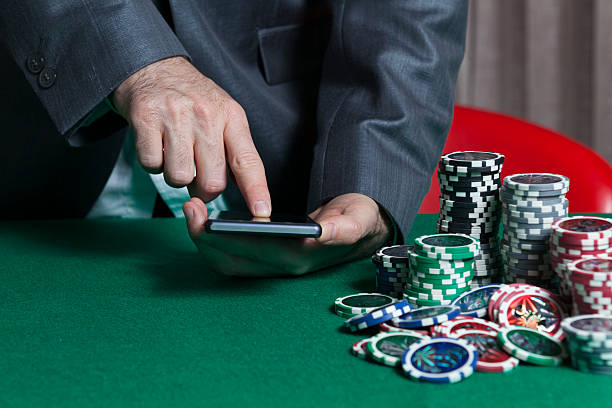
Additionally, the design of many games leverages randomness to promote creativity and strategic thinking. Players are often encouraged to adapt their strategies based on the elements that become available to them during play. When the outcomes are unpredictable, players must think on their feet, creating an environment where quick decision-making can lead to success. This aspect of randomness not only makes games more dynamic but also adds a layer of depth that keeps players engaged and invested.
The Role of Randomness in Gambling
In the world of gambling, randomness plays an even more vital role. Games like poker, blackjack, and slot machines are designed to incorporate randomness into their outcomes, significantly influencing one’s chances of winning. The random nature of these games is what drives the adrenaline rush associated with gambling, as players never know when luck will be on their side.
Moreover, randomness is essential for ensuring fair play in gambling environments. Regulatory bodies often demand that casino games use random number generators (RNGs) to guarantee that every spin, card, or roll is entirely fair and not influenced by previous outcomes. This reliability helps build trust among players, which is fundamental for the longevity of any gambling establishment.

Furthermore, the unpredictability inherent in gambling creates a unique social experience. Players often discuss their fortunes or misfortunes, forging connections through shared experiences of luck and loss. These interactions contribute to the communal atmosphere of casinos and gaming establishments, allowing players to feel part of a larger narrative. The unexpected nature of outcomes can spark conversations, strategies, and even friendships, enriching the overall experience.
The Psychological Impact of Randomness
Randomness affects not just the mechanics of gaming and gambling but also the psychology of players. Many individuals are drawn to the thrill of uncertainty, with the possibility of winning creating a sense of hope and excitement. This psychological aspect can influence betting behavior, leading players to take risks they might not ordinarily consider.
However, it is essential to recognize the dual nature of randomness. While it can enhance the enjoyment and thrill of gaming, it can also lead to irrational behavior. Some players may fall into the trap of believing in «hot streaks» or «due outcomes,» leading to poor decision-making. Understanding the role of randomness can better prepare players to navigate these psychological pitfalls.
Furthermore, education on responsible gaming practices is crucial in mitigating the adverse effects of randomness. Players who understand how randomness operates can approach games with a healthier mindset, appreciating the entertainment aspect without letting the outcome dictate their self-worth or financial decisions. By fostering a balanced perspective, players can enjoy gaming and gambling while remaining in control.
Randomness and Game Design
Game developers intentionally incorporate randomness into gameplay as a means to enhance replayability. From the randomized spawn locations of game assets to the unpredictable outcomes of player actions, randomness makes every session feel fresh and engaging. This dynamism ensures that players continue to return, seeking new experiences and challenges.
Developers strive to strike a balance, ensuring that randomness does not entirely dictate outcomes. Skill and strategy remain important factors, allowing experienced players to leverage their knowledge while still experiencing the thrill of chance. This delicate balance is a hallmark of effective game design, where randomness acts as a catalyst for engagement rather than a mere crutch.
Additionally, the introduction of randomness can lead to innovative gameplay mechanics that keep players intrigued. Random events, quests, or challenges can add layers of complexity that encourage players to adapt and reassess their strategies frequently. This not only fosters a diverse gaming experience but also allows for an organic evolution of player interactions and methods, further enriching the overall experience.
Additional Resources and Information
For those interested in further exploring the fascinating interplay of randomness in gaming and gambling, a plethora of resources are available. Websites, books, and forums provide in-depth discussions, statistical analyses, and strategies that can enrich your understanding. An insightful resource is found at https://adoptachurch1040.com/, which delves into various aspects of gaming culture.
Ultimately, understanding the significance of randomness not only enhances one’s gaming experiences but also encourages responsible gambling practices. By appreciating the role of chance, players can engage more thoughtfully, making informed decisions and embracing the unpredictable nature of games. By fostering a deeper awareness of randomness, both players and developers alike can contribute to a healthier and more enjoyable gaming environment for everyone.