
The historical evolution of gambling from ancient past to modern trends
Origins of Gambling in Ancient Civilizations
Gambling has roots that extend deep into the annals of human history. Archaeological discoveries have unveiled evidence of gaming activities in ancient Mesopotamia, where dice made from animal bones were used as early as 3000 BCE. These early forms of gambling were often intertwined with religious beliefs, as games of chance were thought to be a way of communicating with the divine or predicting future events. This fusion of spirituality and chance laid the groundwork for gambling to evolve into a widespread social activity, including the emergence of bitcoin gambling sites in recent years.
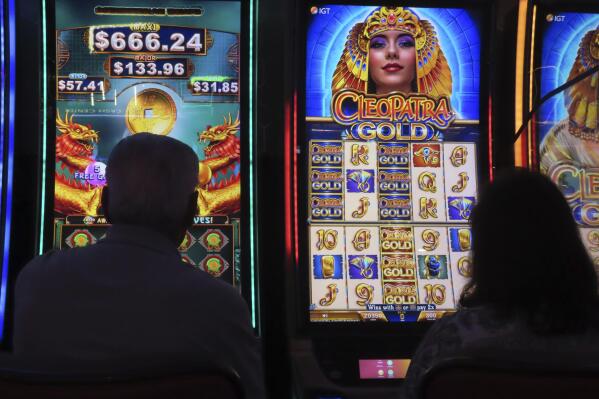
Similarly, ancient Chinese civilization also engaged in gambling activities, with references to the game of Keno appearing around 200 BCE. The use of money in these games marked a significant transition, allowing for more structured forms of gambling. These early practices highlighted both the allure of risking resources for potential gain and the human fascination with luck and chance, themes that would resonate throughout history.
Gambling in the Middle Ages
The medieval period saw a transformation in the nature of gambling, as it began to be formalized into more organized structures. With the establishment of gaming houses in various European cities, gambling shifted from informal gatherings to a regulated business. Popular games such as backgammon and various card games emerged, which not only entertained the masses but also attracted the attention of nobility. This dual appeal helped solidify gambling’s position in society, spanning across classes and cultures.
However, the Church’s influence during this time led to a fluctuating relationship with gambling. While some viewed it as sinful, others considered it a harmless pastime. This ambivalence resulted in various laws and regulations throughout Europe aimed at controlling gambling activities. Despite this, the appeal of risk and reward persisted, fueling a growing demand for gambling opportunities.
The Rise of Casinos in the 17th and 18th Centuries
The 17th century marked the birth of the modern casino, particularly with the establishment of the first official gambling house in Venice, known as the Ridotto. This innovative venue set a precedent for future casinos, providing patrons with a structured environment to engage in games of chance. The idea of a dedicated space for gambling attracted wealthy individuals and contributed to the glamour surrounding casinos, which became synonymous with luxury and entertainment.
As gambling continued to evolve, the popularity of games like roulette and baccarat surged in France and spread across Europe. This era also saw the introduction of betting on horse races, which provided a new dimension to gambling culture. By the 18th century, casinos had flourished, becoming integral to social life and establishing a framework that would influence modern gambling establishments.
The 20th Century and the Legalization of Gambling
The 20th century witnessed a dramatic shift in the perception and regulation of gambling, particularly in the United States. The Great Depression prompted some states to legalize gambling as a means to generate revenue. The establishment of Las Vegas as a gambling capital in the mid-20th century revolutionized the industry, with lavish resorts and casinos emerging as major attractions. This period also marked the rise of gaming innovations, such as slot machines, which democratized gambling and made it accessible to a broader audience.
Simultaneously, various forms of gambling, including lotteries and sports betting, gained traction worldwide. These developments reflected changing attitudes toward gambling, viewing it less as a vice and more as a legitimate form of entertainment. As a result, regulations were refined to create a balanced approach that embraced both responsible gambling and economic opportunity.
Modern Trends in Gambling and the Digital Era
The advent of the internet has profoundly transformed the gambling landscape, giving rise to online casinos and virtual gaming platforms. This digital revolution has made gambling more accessible, allowing individuals to participate from the comfort of their own homes. The proliferation of mobile applications further enhances this accessibility, catering to a tech-savvy generation that values convenience.
Moreover, modern trends in gambling have also emphasized responsible gaming practices, with many online platforms integrating features designed to promote healthy gambling behaviors. As the industry continues to evolve, innovations such as cryptocurrency gambling and live dealer games are pushing the boundaries of traditional gaming experiences, ensuring that gambling remains a vibrant and dynamic aspect of modern entertainment.